Table Of Contents
Therapeutic Use of Self
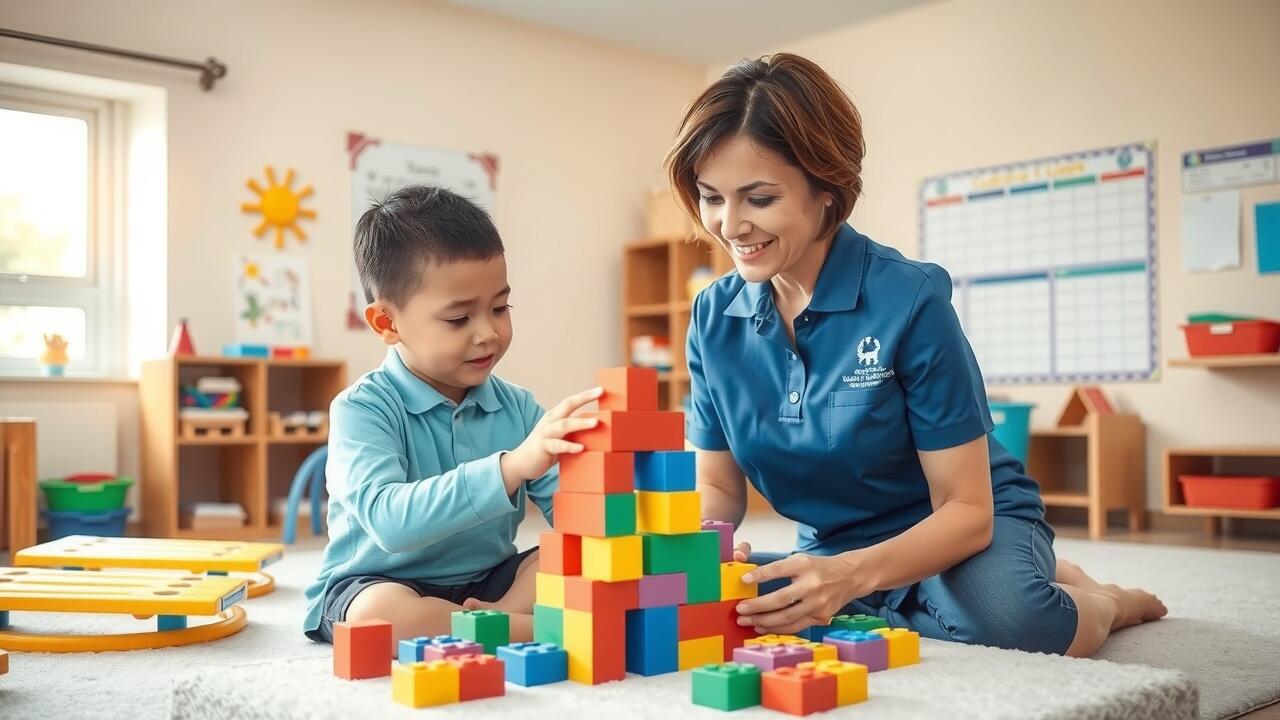
The therapeutic use of self is a fundamental approach in occupational therapy that emphasizes the relationship between the therapist and the client. This concept involves the therapist's ability to leverage their personality, experiences, and communication skills to foster a supportive and trusting environment. By being authentic and present, therapists can better understand their clients’ needs, motivations, and challenges, which helps in tailoring interventions more effectively.
Building a genuine connection with clients is essential in promoting engagement and participation in the therapeutic process. Occupational therapy relies heavily on this relational dynamic, as it encourages clients to openly express their thoughts and feelings. As trust develops, clients may feel more comfortable discussing their concerns, leading to more meaningful outcomes in therapy sessions. The therapeutic relationship enhances collaboration, empowering clients to take an active role in their rehabilitation and recovery journey.
Building Rapport with Clients
Building rapport with clients is an essential aspect of Occupational Therapy. Establishing a trusting relationship allows therapists to better understand the unique needs and goals of each individual. Through active listening and genuine empathy, therapists create a safe environment for clients to express their concerns and aspirations. This connection fosters open communication, which can significantly enhance the effectiveness of the therapeutic process.
Additionally, therapists can use various approaches to strengthen rapport. Engaging clients in meaningful conversations about their interests and hobbies helps to personalize the therapy experience. Incorporating elements that reflect a client's preferences into sessions can promote motivation and commitment. By prioritizing relationship-building, Occupational Therapy practitioners pave the way for improved outcomes and a more enjoyable therapeutic journey.
Environmental Modifications
Environmental modifications play a crucial role in occupational therapy, focusing on adapting the surroundings to enhance clients' functionality and safety. These modifications can range from simple adjustments like rearranging furniture to more significant alterations such as installing ramps or grab bars. By evaluating the individual's environment, therapists can identify barriers that hinder performance and propose changes that facilitate greater independence in daily activities.
Incorporating principles of universal design, therapists ensure that modifications not only meet the specific needs of clients but are also user-friendly for everyone. This holistic approach promotes accessibility, allowing individuals with varying abilities to navigate their environments more effectively. Occupational therapy emphasizes the importance of these changes, recognizing that an accommodating environment boosts confidence and participation in everyday tasks.
Adapting Spaces for Safety and Accessibility
Adapting spaces for safety and accessibility is a fundamental aspect of Occupational Therapy. Therapists assess the physical environment to identify potential hazards that may hinder a client's ability to perform daily tasks. Modifications can include removing obstacles, rearranging furniture, and ensuring that pathways are clear. Each change aims to create a more user-friendly environment that promotes independence and reduces the risk of injury.
Incorporating assistive devices also plays a critical role in enhancing accessibility. Occupational therapists often recommend tools such as grab bars, non-slip mats, and adaptive kitchenware, which facilitate safer interactions within the home. These alterations not only support physical safety but also contribute to a client's overall confidence in navigating their environment. By focusing on personalized adaptations, Occupational Therapy fosters an inclusive atmosphere that empowers individuals to thrive in their everyday lives.
Assistive Technology
Assistive technology plays a vital role in enhancing the independence and quality of life for individuals undergoing Occupational Therapy. These tools range from simple devices, like grab bars and adapted utensils, to sophisticated technologies, such as speech-generating devices and mobile applications designed for specific needs. By evaluating a client’s unique challenges, occupational therapists can identify the appropriate assistive technology solutions that empower clients to complete everyday tasks more efficiently.
The integration of assistive technology into Occupational Therapy not only facilitates improved physical capabilities but also fosters emotional well-being. Clients often experience a boost in their self-esteem as they gain greater control over their daily activities. Furthermore, these technologies can promote social engagement by enabling individuals to participate in community activities and maintain relationships. This holistic approach ensures that clients not only achieve functional outcomes but also thrive in their everyday lives.
Tools to Enhance Independence
Assistive technology plays a crucial role in occupational therapy by providing tools that enhance an individual's independence in daily activities. Devices such as adaptive utensils, speech recognition software, and mobility aids empower clients to manage tasks that might otherwise be challenging. These tools are tailored to fit the unique needs of each client, ensuring they can participate in their personal and social lives more fully.
Incorporating assistive technology often involves evaluating the specific obstacles a client faces and identifying solutions that foster engagement and self-sufficiency. Occupational therapists work closely with clients to determine the most appropriate devices or modifications. This collaborative approach not only promotes autonomy but also builds confidence in clients as they navigate their environments with greater ease.
FAQS
What is the therapeutic use of self in occupational therapy?
The therapeutic use of self refers to the practice where occupational therapists utilize their own personality, experiences, and interpersonal skills to build rapport and enhance the therapeutic relationship with clients. It involves being genuine and empathetic to facilitate communication and trust.
How do occupational therapists build rapport with their clients?
Occupational therapists build rapport with clients by actively listening, showing empathy, respecting their values, and establishing a comfortable environment. This connection allows clients to feel more at ease, encouraging open communication and collaboration during therapy.
What are environmental modifications in occupational therapy?
Environmental modifications are changes made to a client's surroundings to enhance safety, accessibility, and functionality. These modifications can include adjusting furniture arrangements, installing ramps or grab bars, and ensuring proper lighting to support the client's ability to perform daily activities.
How can spaces be adapted for safety and accessibility?
Spaces can be adapted for safety and accessibility by evaluating and addressing potential hazards, ensuring clear pathways, and incorporating aids such as non-slip mats, wheelchair ramps, and handrails. These modifications help clients navigate their environments more safely and independently.
What role does assistive technology play in occupational therapy?
Assistive technology plays a crucial role in occupational therapy by providing tools and devices that enhance a client's independence and ability to perform daily tasks. Examples include adaptive utensils, communication devices, and mobility aids that cater to individual needs and skills.
