Table Of Contents
Educational Workshops on Wound Care
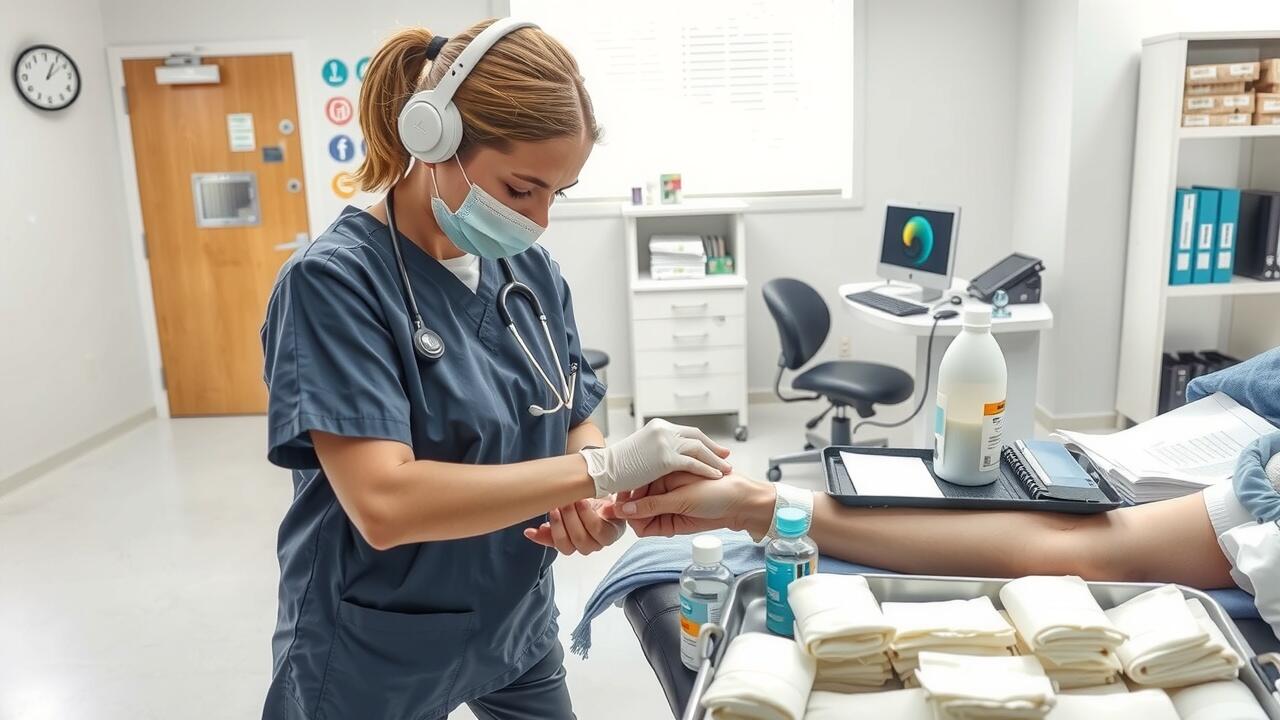
Edison offers a variety of educational workshops focused on wound care to enhance knowledge and skills among healthcare professionals and caregivers. These workshops cover essential topics such as wound assessment, treatment protocols, and management strategies. Participants gain hands-on experience through practical demonstrations, fostering better understanding and confidence in providing effective wound care.
Moreover, these workshops often feature guest speakers who are experts in the field. They share the latest research findings and best practices, ensuring participants stay updated on advancements in wound care. Networking opportunities with peers further enrich the experience, allowing for the exchange of ideas and experiences relevant to wound care challenges.
Upcoming Events and Training Sessions
Local healthcare providers have organized a series of upcoming events designed to enhance knowledge around Wound Care practices. These workshops aim to provide hands-on training for both professionals and caregivers, focusing on the latest techniques and products available. Attendees will have the chance to engage with experienced clinicians and participate in practical demonstrations.
Additionally, specialized training sessions will address specific aspects of Wound Care, such as identifying various types of wounds and appropriate treatment protocols. Participants can expect to learn about innovative materials and dressings that contribute to faster healing. Networking opportunities will also be available, allowing clinicians to connect and share experiences regarding effective wound management strategies.
Importance of Early Intervention in Wound Healing
Early intervention in wound healing is crucial for preventing complications and promoting optimal recovery. When wounds are addressed promptly, there is a significant reduction in the risk of infection and other serious issues. This proactive approach not only aids in faster healing but also decreases the overall burden on healthcare systems. Wound care practices emphasize the importance of recognizing and treating wounds early, ensuring that patients receive the attention they need before problems escalate.
Additionally, effective wound care requires education about the signs of complications that can arise if treatment is delayed. Knowing when to seek medical assistance can make a difference in patient outcomes. Early intervention allows healthcare providers to implement appropriate measures, such as advanced dressing techniques or specialized therapies, tailored to individual needs. Ultimately, prioritizing early intervention can lead to better health outcomes and enhance the quality of life for those with wounds.
Recognizing Signs of Complications
Recognizing signs of complications in wound care is crucial for effective healing and recovery. Patients and caregivers should be vigilant for symptoms such as increased redness, swelling, or warmth around the wound site. Additionally, any discharge that is foul-smelling or discolored may indicate an infection. It is essential to monitor these changes closely, as early detection can prevent more severe complications from arising.
Another important sign to watch for is the presence of fever or chills, which often accompany systemic infections. Sudden changes in the wound's appearance, such as new pain or an increase in size, should also prompt immediate medical attention. Educating oneself about these warning signs can significantly contribute to better management and outcomes in wound care.
Advanced Technologies in Wound Care
Advanced technologies in wound care are revolutionizing how healthcare professionals treat and manage wounds. Through the use of bioengineered skin substitutes, practitioners can promote healing in severe cases where traditional methods may fall short. These innovative products not only aid in closure but also provide a barrier against infection. This focus on customized solutions enhances patient comfort and improves overall outcomes.
Additionally, telemedicine has emerged as a valuable tool in the wound care landscape. Remote consultations allow patients to receive expert guidance from specialists without the need for physical visits. This convenience can lead to quicker assessments of wound status, ensuring that timely interventions are made when necessary. The integration of mobile applications further supports patients by offering reminders, tracking progress, and providing educational resources right at their fingertips.
Innovations Transforming Patient Outcomes
Emerging technologies in wound care are significantly enhancing patient outcomes through improved healing processes and tailored treatments. Devices like negative pressure wound therapy (NPWT) have become integral in managing complex wounds, promoting faster healing and reducing the risk of infection. Interactive software platforms also allow healthcare providers to track progress and adjust care plans based on real-time data, making it easier to tailor interventions to individual needs.
Additionally, advancements in biomaterials are revolutionizing wound dressings, offering better moisture management and antimicrobial properties. Smart dressings equipped with sensors can monitor wound conditions and alert clinicians to changes, ensuring timely interventions. These innovations not only streamline treatment but also empower patients, fostering a proactive approach to their wound care management.
FAQS
What types of educational workshops are available for wound care in Edison?
Edison offers various educational workshops that cover topics such as wound assessment, treatment options, and best practices for care management.
How can I find out about upcoming events and training sessions related to wound care in Edison?
Upcoming events and training sessions can typically be found on local health care provider websites, community bulletin boards, or through social media platforms dedicated to health education.
Why is early intervention important in wound healing?
Early intervention is crucial because it can significantly reduce the risk of complications, promote faster healing, and improve overall patient outcomes.
What are some signs that a wound may be experiencing complications?
Signs of complications can include increased redness, swelling, discharge, worsening pain, or a delay in the healing process. If any of these symptoms are present, it's important to seek medical advice.
What advanced technologies are being used in wound care?
Advanced technologies in wound care include bioengineered tissues, negative pressure wound therapy, and telemedicine solutions that enhance monitoring and treatment efficacy for patients.
