Table Of Contents
Importance of Regular Eye Check-ups
Regular eye check-ups play a crucial role in maintaining overall health, especially for the elderly. Vision changes can occur gradually, often going unnoticed until they significantly affect daily activities. Poor eyesight can lead to a higher risk of accidents and falls, underscoring the importance of early detection of any vision issues. Keeping prescription glasses updated also contributes to improved depth perception and mobility, key factors in fall prevention.
Many conditions, such as cataracts or glaucoma, can impair vision and increase fall risk. Routine examinations enable healthcare professionals to identify and address these issues before they escalate. Investing time in regular eye assessments enhances not only visual acuity but also fosters a sense of security when navigating various environments. Ultimately, prioritizing eye health is a vital component of a comprehensive fall prevention strategy.
Vision's Impact on Fall Risk
Good vision is essential for maintaining balance and spatial awareness, both of which play a critical role in preventing falls. Many older adults experience changes in their vision, such as decreased acuity or issues with depth perception. These changes can make navigating familiar environments more challenging, increasing the likelihood of trips or slips.
Regular eye examinations can help identify vision problems early, enabling residents to take appropriate measures. Corrective lenses or other interventions can enhance visual clarity and overall awareness of one’s surroundings. Addressing any vision discrepancies is a crucial component of an effective Fall Prevention strategy.
Utilizing Assistive Devices
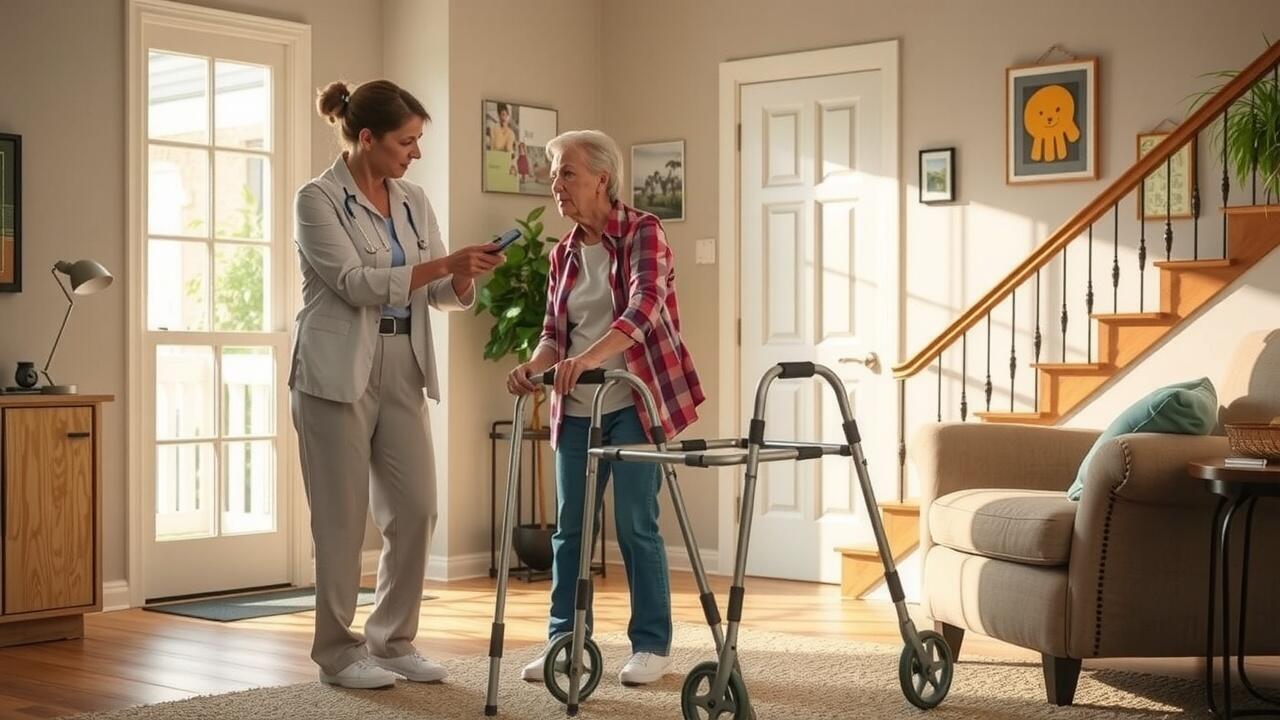
Assistive devices play a crucial role in enhancing safety and mobility for individuals at risk of falls. Options such as canes, walkers, and grab bars can significantly reduce instability when navigating around the home or outdoors. Proper use of these devices can increase confidence and independence, making it easier for residents to engage in daily activities while minimizing the risk of falls.
Choosing the right equipment is essential for effective fall prevention. Each individual’s needs may vary based on their level of mobility, balance, and health conditions. Consulting with a healthcare professional or occupational therapist can provide valuable guidance in selecting the most suitable assistive devices. Ensuring that these tools are well-maintained and used correctly contributes to their effectiveness in fall prevention strategies.
Choosing the Right Equipment
Selecting the right assistive devices is crucial in enhancing safety and reducing fall risk. Individuals should consider their specific needs and lifestyle when evaluating options like canes, walkers, or grab bars. Each piece of equipment serves a different purpose and can significantly improve mobility and stability. Proper sizing and functionality are essential factors that contribute to effective use.
Before making a purchase, it's beneficial to consult with health professionals or physical therapists. They can provide personalized recommendations based on physical abilities and daily activities. Proper training on how to use these devices can enhance their effectiveness in a Fall Prevention strategy. Equipped with the right tools, individuals can confidently navigate their environment while minimizing the risk of falls.
Developing a Fall Prevention Plan
Creating a comprehensive Fall Prevention plan requires a thoughtful approach tailored to individual needs. Begin by assessing the living environment for potential hazards that could lead to falls. This assessment may include examining flooring for uneven surfaces, ensuring adequate lighting in hallways, and organizing furniture to create clear pathways. Addressing these areas can significantly reduce the risk of accidents in daily routines, allowing residents to move confidently throughout their homes.
Engage in regular discussions with health care providers to set specific goals within the Fall Prevention framework. This can involve scheduling periodic wellness checks that focus on balance and strength training, which are critical for maintaining stability. Encourage involvement from family members or caregivers in this process to provide additional support and accountability. By collaborating on a Fall Prevention strategy, residents can foster an environment that prioritizes safety and promotes overall well-being.
Steps to Create an Effective Strategy
Creating an effective fall prevention strategy begins with a comprehensive assessment of the living environment. Identify potential hazards that could contribute to falls, such as cluttered walkways, uneven flooring, or inadequate lighting. Addressing these issues can significantly reduce the risk of falls. Regularly review and update the environment, ensuring that safety measures remain in place as needs change.
In addition to environmental adjustments, a fall prevention plan should incorporate personal health evaluations. This includes regular check-ups to monitor vision and balance, as well as reviewing medications that may affect stability. Engaging in strength and balance exercises can also enhance physical capabilities. Setting specific goals related to fall prevention, such as attending fitness classes, can encourage adherence to the strategy and promote overall well-being.
FAQS
Why are regular eye check-ups important for fall prevention?
Regular eye check-ups are crucial because they help detect vision problems that can increase the risk of falls. Good vision is essential for maintaining balance and spatial awareness, which are vital for preventing accidents.
How can vision impairments contribute to fall risk?
Vision impairments can affect depth perception, peripheral awareness, and overall stability. Individuals with compromised vision may struggle to navigate their environment safely, leading to an increased likelihood of falls.
What kinds of assistive devices can help prevent falls?
Various assistive devices can aid in fall prevention, including canes, walkers, grab bars, and non-slip mats. These devices provide additional support and stability, making it easier for individuals to move safely.
How do I choose the right assistive device for fall prevention?
Choosing the right assistive device involves assessing personal needs, mobility levels, and specific living environments. Consulting with a healthcare professional or occupational therapist can help ensure the selected device is appropriate and effective.
What should be included in a fall prevention plan?
A fall prevention plan should include an assessment of the living environment, a list of assistive devices, a regular exercise routine to improve strength and balance, and scheduled eye check-ups. It's important to regularly review and adjust the plan as needed.
