Table Of Contents
Comparison of Roles
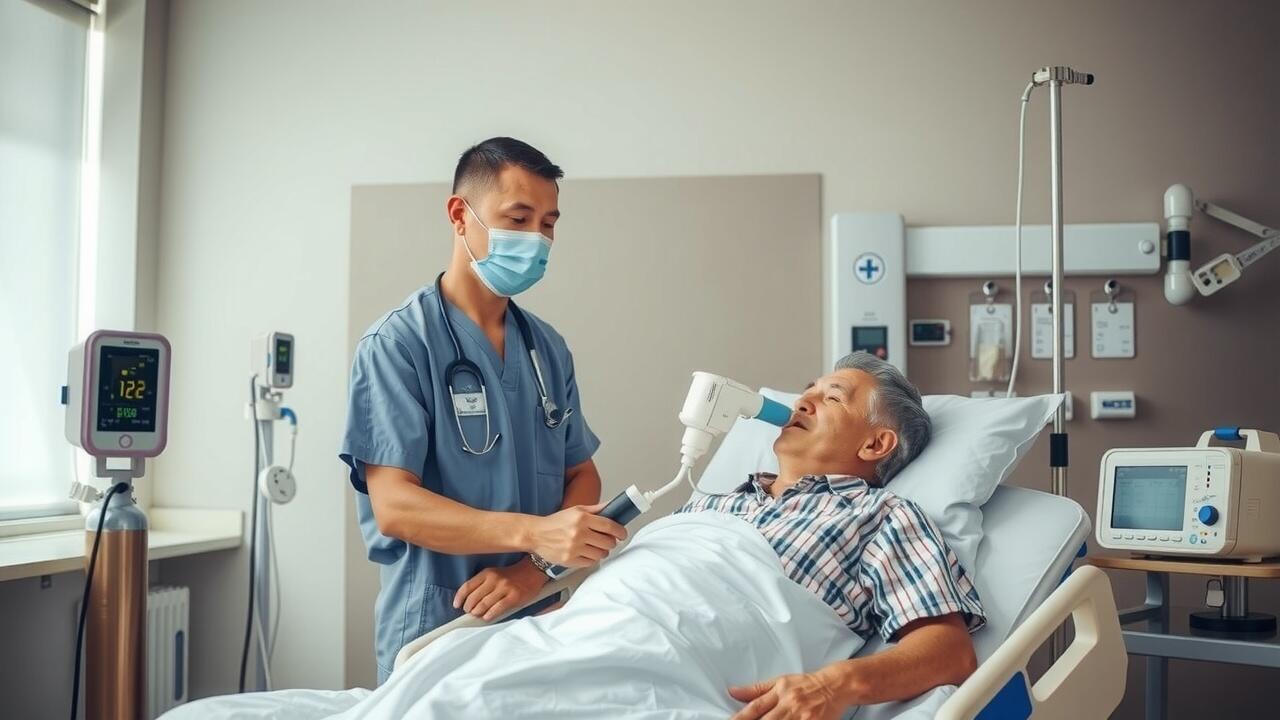
Respiratory therapists and physicians have distinct roles in managing patient care, particularly when it comes to complex procedures like bronchoscopy. Physicians often lead these procedures, utilizing their extensive training and expertise to perform diagnostic and therapeutic interventions within the airways. In contrast, respiratory therapists focus on supporting the patient throughout the procedure, ensuring that they are comfortable and stable. Their training in respiratory care equips them with the knowledge to monitor vital signs and recognize potential complications, which is essential during bronchoscopy.
While physicians handle the technical aspects of the procedure, respiratory therapists play a crucial role in patient preparation and post-procedure care. In the context of Respiratory Therapy, these professionals educate patients about what to expect during the bronchoscopy, addressing any concerns they may have. Their involvement continues after the procedure, providing essential care to help patients recover effectively. This collaborative approach ensures that the patient receives comprehensive care, addressing both the technical needs and emotional support throughout the bronchoscopy process.
Distinct Responsibilities in Bronchoscopy
In the context of bronchoscopy, respiratory therapists and physicians have distinct yet complementary roles. Physicians typically perform the actual procedure, utilizing their advanced medical training and expertise to navigate the bronchoscope through the airways. Their focus is on diagnosing and treating conditions based on their observations during the procedure. In contrast, respiratory therapists play a crucial support role, preparing the patient and ensuring their comfort and safety throughout the process. Their responsibilities include educating patients about what to expect and monitoring vital signs before and during the bronchoscopy.
Additionally, respiratory therapists are integral in managing any sedation provided to patients. They are trained to recognize potential complications and respond to emergencies, contributing to a safer procedural environment. The collaboration between respiratory therapists and physicians is vital, allowing for more effective patient care. While the physician performs the procedure, the expertise of respiratory therapy ensures that patients receive comprehensive support tailored to their specific needs. The teamwork of these professionals enhances the overall effectiveness and safety of bronchoscopy procedures.
Patient Preparation for Bronchoscopy
Patient preparation for bronchoscopy is a critical step in ensuring the procedure's success and the patient's comfort. Respiratory Therapy professionals are integral in this process, providing education about what to expect during and after the procedure. They often explain potential risks and benefits, alleviating patient anxiety. Additionally, they assess the necessity of pre-procedure medications, which may include sedatives or bronchodilators to optimize lung function.
During the preparation phase, respiratory therapists may perform assessments such as checking vital signs and reviewing medical history. This information helps tailor the approach to individual needs. They also ensure the availability of necessary equipment and medications, maintaining a safe environment for the procedure. Collaborating closely with the medical team is essential to provide comprehensive care and support for patients undergoing bronchoscopy.
Steps Taken by Respiratory Therapists
Respiratory therapists play a critical role in preparing patients for bronchoscopy procedures. They begin by conducting a thorough assessment of the patient's respiratory status and medical history. This evaluation helps in determining the appropriate sedation level and understanding any potential complications. Educating the patient about the procedure is another vital step. This includes providing information about what to expect during the bronchoscopy and addressing any concerns the patient may have to reduce anxiety.
During the procedure, respiratory therapy professionals assist in monitoring the patient’s vital signs and respiratory functions. They ensure the availability and proper functioning of equipment such as oxygen delivery systems and suction devices. Their expertise helps in troubleshooting any complications that may arise during the bronchoscopy, allowing for immediate intervention if required. The collaboration between respiratory therapists and the medical team enhances the overall safety and efficiency of the procedure.
Post-Procedure Care
After a bronchoscopy, patients require careful monitoring to assess their recovery from sedation and the procedure itself. Respiratory Therapy plays a crucial role in this phase, ensuring that patients exhibit stable vital signs and adequate oxygenation. The therapist checks for any respiratory distress or complications that may arise from the procedure. They provide necessary interventions, such as supplemental oxygen or airway clearance techniques, if required.
In addition to monitoring, respiratory therapists educate patients on what to expect post-procedure. They guide patients regarding potential symptoms that may signal complications, such as persistent cough, bleeding, or difficulty breathing. The emphasis is on promoting patient safety and comfort during recovery. Respiratory Therapy ensures that patients feel supported as they transition back to their regular activities while encouraging follow-up care if needed.
Role of Respiratory Therapists After Bronchoscopy
Following bronchoscopy, respiratory therapists play a vital role in monitoring and managing patients during their recovery. They assess the patient’s respiratory status, ensuring that vital signs remain stable and that oxygenation is adequate. Respiratory Therapy involves administering supplemental oxygen or medications if necessary, addressing any immediate complications that may arise, and providing comfort measures to ease the patient’s anxiety.
In addition to their monitoring duties, respiratory therapists are responsible for educating patients about post-procedure care. They provide guidance on activity restrictions and signs of potential complications that patients should watch for after the procedure. Proper education from respiratory therapists can improve patient compliance and alleviate concerns, leading to a smoother recovery process. Their expertise helps bridge the gap between medical procedures and ongoing patient care.
FAQS
Can a respiratory therapist perform a bronchoscopy?
No, a respiratory therapist cannot independently perform a bronchoscopy. This procedure is typically carried out by a physician, such as a pulmonologist, who has the necessary training and expertise.
What is the primary role of a respiratory therapist in a bronchoscopy procedure?
Respiratory therapists assist physicians during bronchoscopy by preparing the patient, ensuring proper equipment is available, monitoring the patient’s vital signs, and providing support throughout the procedure.
What kind of training do respiratory therapists receive related to bronchoscopy?
Respiratory therapists receive training in respiratory care and may learn about bronchoscopy techniques, but they do not have the clinical authority to perform the procedure themselves.
How do respiratory therapists prepare patients for bronchoscopy?
Respiratory therapists prepare patients by explaining the procedure, obtaining informed consent, providing sedation if required, and ensuring the patient is in a comfortable position.
What post-procedure care do respiratory therapists provide after bronchoscopy?
After bronchoscopy, respiratory therapists monitor the patient's recovery, assess respiratory function, manage any potential complications, and provide education on post-procedure care and follow-up.
